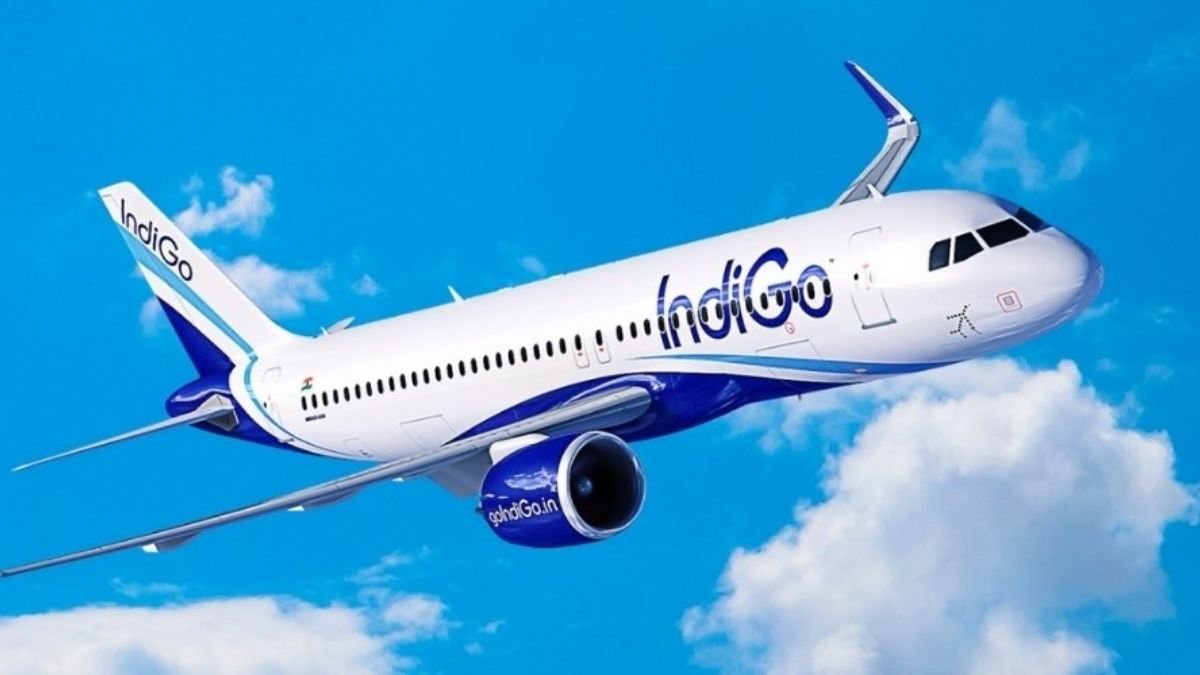
NEW DELHI — InterGlobe Aviation (IndiGo), once the undisputed clockwork king of Indian skies, is currently navigating the most severe turbulence in its history. On Saturday, the airline’s operational crisis deepened as it cancelled over 400 flights across major hubs including Delhi, Mumbai, Bengaluru, and Hyderabad. The disruption, now in its fifth day, has not only stranded thousands of passengers but has also triggered a heavy-handed intervention from the Ministry of Civil Aviation (MoCA) and the Directorate General of Civil Aviation (DGCA).
The Scale of the Crisis
Saturday morning saw chaotic scenes at Terminal 1 and Terminal 3 of Delhi’s Indira Gandhi International Airport. According to airport data, IndiGo cancelled 106 flights in Delhi alone (54 departures and 52 arrivals). The situation was equally grim in Mumbai, with 109 cancellations, and Bengaluru, which saw 124 flights grounded.
The root cause of this meltdown is a severe misalignment in pilot rostering, exacerbated by the airline’s struggle to transition to the new, stricter Flight Duty Time Limitations (FDTL) norms. These norms, intended to reduce pilot fatigue by increasing rest periods, have effectively reduced the availability of crew, leaving the airline’s aggressive winter schedule undermanned.
Government Cracks the Whip
In a rare move, the Centre has stepped in to protect consumer interests. Civil Aviation Minister Ram Mohan Naidu held an emergency review meeting today, resulting in two critical directives:
- Fare Caps: To prevent predatory pricing by rival airlines capitalizing on IndiGo’s misery, the Ministry has imposed a temporary cap on airfares for routes severely affected by the cancellations.
- Mandatory Refunds: The Ministry has ordered IndiGo to process full refunds for all cancelled flights by 8:00 PM on Sunday, December 7. This directive bypasses the usual “credit shell” offers, mandating a direct return of funds to the passengers’ source accounts.
“The airline has been directed to ensure that no passenger is left stranded without food or accommodation,” a Ministry official stated. “The priority is to clear the backlog and ensure the refund process is seamless.”

The Regulatory ‘Bailout’
In a significant relief for the carrier, the DGCA late Friday granted IndiGo a temporary exemption from the new FDTL rules until February 10, 2025. This rollback allows the airline to revert to older, more flexible rostering norms—specifically permitting pilots to perform night duties between 12 AM and 5 AM and allowing up to six landings during night shifts (up from two).
While this move is designed to free up crew availability and stabilize operations, it has drawn sharp criticism from pilot unions and safety advocates. Congress MP Sasikanth Senthil slammed the decision, accusing the government of “jeopardizing passenger safety to cover up corporate mismanagement.”
Market & Financial Impact
The crisis has bled into the stock markets. InterGlobe Aviation’s shares plummeted nearly 9% over the last trading week, wiping out thousands of crores in investor wealth. Analysts at Capital Mirror observe that while the FDTL exemption provides short-term relief, the reputational damage to IndiGo’s brand—built on the promise of “On-Time Performance”—could have long-term financial consequences.
With the crucial winter travel season kicking off, IndiGo faces an uphill battle to regain trust. For now, the “lean, mean flying machine” looks decidedly grounded.